
Signs Your Septic System Is Failing in Massachusetts
Slow drains, sewage smells, wet spots in the yard — septic problems rarely appear without warning. Learn the red flags Massachusetts homeowners should watch for, and what Title 5 requires when they show up.
Catch the Warning Signs Before They Become Emergencies
A failing septic system rarely fails all at once. It gives warnings — and Massachusetts homeowners who catch them early save thousands compared to those who wait for a full backup or drain field collapse.
The signs fall into three categories: what you see inside the house, what you notice outside in the yard, and how the system is behaving during routine maintenance. Ignoring any of them can lead to sewage backing up into your home, contaminated well water, and a Title 5 failure that puts your property on hold if you’re trying to sell.
Book an Inspection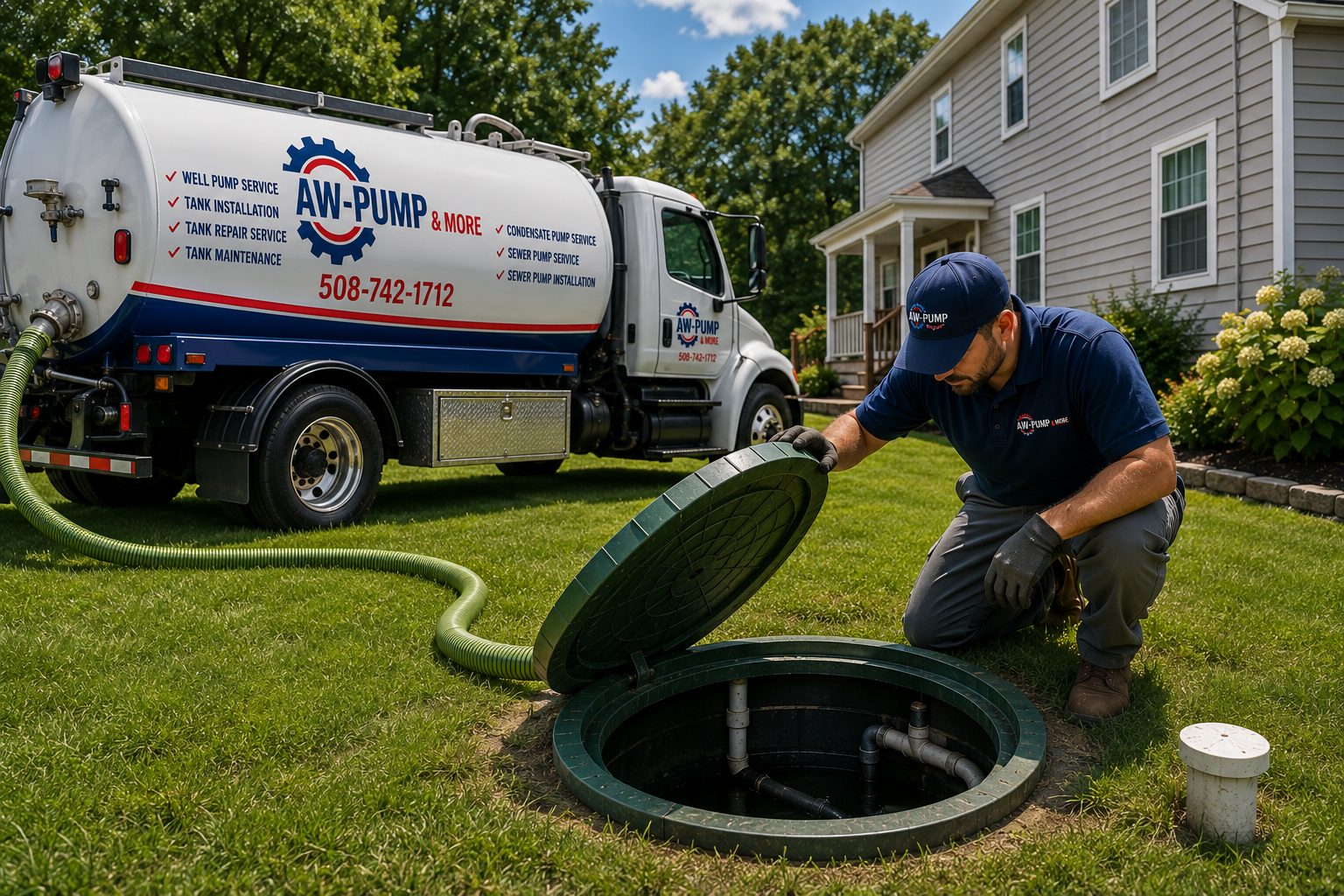
Three Categories of Septic Failure Warning Signs
Watch for problems inside the house, outside in the yard, and in how often the system needs service. Any one of these categories can indicate a failing system that requires immediate attention.
Indoor Plumbing Issues
The most common early warning. What you notice at the sink, tub, or toilet before problems reach the yard.
- Slow drains: Sinks, tubs, or showers draining sluggishly, especially when multiple fixtures run at once.
- Gurgling sounds: Bubbling from toilets or drains when water runs elsewhere in the home.
- Sewage backups: Waste or wastewater backing up into basement showers, floor drains, or toilets.
- Indoor odors: Persistent sewage smells inside the home, especially near lower drains.
Outdoor Warning Signs
Visible above the tank or drain field. These signs mean the system is overflowing or seeping toward the surface.
- Pooling water: Standing, foul-smelling puddles or soggy muddy areas over the tank or drain field.
- Lush, spongy grass: A patch of grass over the drain field that’s noticeably greener or thicker than the rest of the lawn.
- Foul odors outside: Persistent rotten-egg or sewage smells near the tank or leach field.
- Drain flies or algae: Insects hovering near the system, or unexplained algae blooms in nearby ponds.
Maintenance Indicators
Signs that appear during service or in your well water. Often the earliest and most reliable warnings.
- Frequent pumping: Needing service more than every 3–5 years means solids aren’t breaking down properly.
- Contaminated well water: High coliform or nitrates in your well can indicate wastewater seeping into groundwater.
- Alarm activation: If your system has an ejector or lift pump, an activated alarm light or buzzer is critical.
- Age of system: Systems 25–30 years old are approaching the end of their design life and warrant closer monitoring.
If You Notice Any of These Signs
Treat it as a critical situation, not a wait-and-see issue. Take these three steps immediately:
- Stop using water: Minimize indoor water use, avoid the garbage disposal, and space out laundry to reduce stress on the system.
- Avoid the area: Do not drive heavy vehicles or place heavy objects over the tank or drain field — this crushes pipes and compacts soil.
- Call a licensed professional: Contact a licensed septic service provider for an emergency inspection to determine if it’s a minor repair or a serious failure.
Noticing any of these warning signs?
Don’t wait for a full backup. Book a licensed inspection today.
What Title 5 Requires When Signs Appear
Massachusetts septic systems are regulated under Title 5 of the State Environmental Code. When failure signs appear, Title 5 defines exactly what triggers a formal system failure — and inspection is mandatory in several situations.
- Mandatory InspectionsA Title 5 inspection is required when selling a property, increasing the number of bedrooms, or changing the property’s use.
- System Failure TriggersBackup of raw sewage into the home, discharge onto the ground surface, cesspools too close to drinking-water supplies, or systems still using metal septic tanks.
- Frequent Pumping RuleUnder Title 5, a system that requires pumping four or more times per year is considered a failed system.
- Cesspool RestrictionsCesspools exhibiting hydraulic failure or too close to drinking-water sources are automatic failures — they must be upgraded to a modern septic system.

Trusted Brands We Install & Service
We install and service equipment from the industry’s most trusted manufacturers — so your fix is built to last.


Septic System Failure Questions
What are the first signs of a failing septic system?
What causes a septic tank to back up?
How often should a septic tank be pumped in Massachusetts?
What is Title 5 and when does it require a septic inspection?
What does a failing drain field look like?
Can a failing septic system be repaired, or does it need to be replaced?
How long does a septic system last in Massachusetts?
Schedule a Septic Inspection
AW-Pump & More — septic system inspection and repair across Massachusetts. Reach out and we’ll get back to you quickly to schedule an on-site evaluation.
(508) 742-1712- Licensed & insured — certified technicians on every call
- Title 5 experienced — deep knowledge of Massachusetts requirements
- Statewide coverage — Central, Eastern, and Western Massachusetts
- Transparent pricing — free quote before any work begins
Serving:
Reach Out Today
Send us a message or give us a call — we’ll get back to you really soon.