
Constant Pressure & Well Pump Systems in Massachusetts
City-like water pressure for your home. Whether you need a submersible pump, jet pump, or a full constant pressure system, AW-Pump installs and services the right setup for steady, reliable flow at every tap.
What Is a Constant Pressure Well Pump System?
A constant pressure system upgrades a standard well pump with a Variable Frequency Drive (VFD) that adjusts the pump’s motor speed in real time. Instead of cycling fully on and off like a traditional pump, it speeds up or slows down to match the water you’re using — delivering steady, city-like pressure even when multiple fixtures run at once.
At AW-Pump, we install and service constant pressure systems alongside the full range of well pump equipment — submersible pumps, jet pumps, and pressure tanks — for homes and properties throughout Massachusetts. Whether you’re tired of pressure swings in the shower or planning a new well system from scratch, we’ll match you with the right setup.
Talk to a Specialist
How a Constant Pressure System Delivers Steady Water
A constant pressure system uses smart electronics to keep your water pressure within a narrow 2–5 PSI range, no matter how many fixtures are running. Here’s what makes it different from a traditional fixed-speed well pump:
Submersible vs. Jet Pump Systems
Constant pressure controls can be paired with either pump style. The right choice depends on your well depth, property layout, and how you want the system to perform. Here’s the honest comparison:
Submersible Pumps
Installed directly inside the well, submerged in the water. Highly efficient because they push water up rather than pulling it. Quiet, long-lasting, and ideal for most modern wells — the best match for whole-home constant pressure setups.
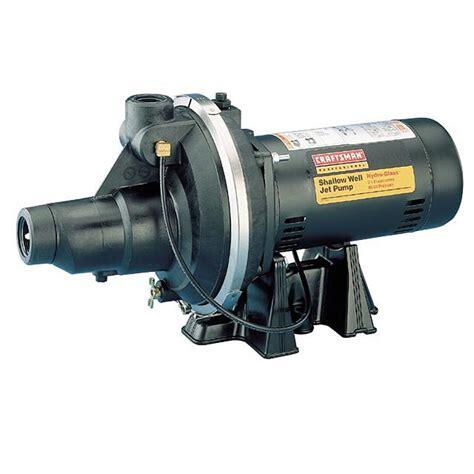
Shallow Well Jet Pumps
Mounted above ground in a basement or pump house, drawing water from wells under 25 feet deep. Easy to service since the pump is accessible, and a cost-effective solution for shallow-well properties.
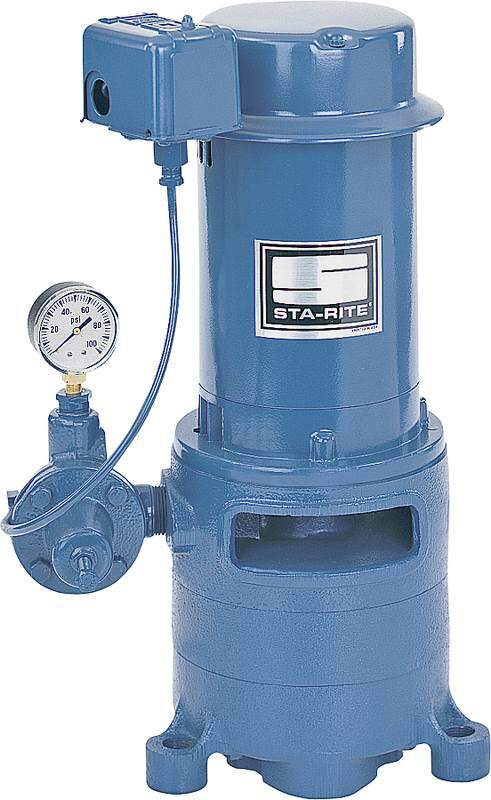
Deep Well Jet Pumps
Also above ground, but use a secondary pipe and ejector down in the well to lift water from up to 75 feet. A reliable option where a submersible isn’t practical and accessibility matters.
Explore our full range of well pump products and services, or learn more about pressure tanks for your system.
Why Homeowners Upgrade to Constant Pressure
A constant pressure well pump system isn’t just about convenience — it changes how the entire plumbing system feels and how long your equipment lasts.
No more shower drops when someone flushes a toilet or starts the dishwasher. Pressure stays constant across every fixture in the house.
Variable speed operation uses 20–30% less electricity than traditional fixed-speed pumps that constantly cycle on and off.
Soft-start technology and fewer on/off cycles dramatically reduce motor wear, extending the service life of the pump.
A small inline pressure tank replaces the traditional 40–80 gallon bladder tank, freeing up valuable basement or utility room space.
Soft starts and modulated speed mean no banging pressure switches, no water hammer, and noticeably less noise from the equipment room.
Smart diagnostics shield the pump from dry running, voltage swings, short circuits, and overload — preventing damage automatically.
Where Constant Pressure Systems Shine
Some properties benefit from constant pressure far more than others. If any of these describe your situation, you’re a strong candidate for the upgrade.
Homes & Cabins
- City-like water pressure
- Multi-bath households
- Larger or two-story homes
- Frustrating pressure drops
Irrigation Systems
- Handles varying zone demand
- Steady flow per zone
- No separate booster needed
- Lawn & landscape use
Geothermal Systems
- No large buried tank required
- Eliminates pressure cycling
- Steady loop pressure
- Efficient heat exchange
Rural Properties
- Livestock watering
- Outbuildings & barns
- Multiple service points
- High peak demand
Trusted Brands We Install & Service
We install and service high-performance pumps, tanks, and controls from the industry’s most trusted manufacturers—built for long-term reliability.


Constant Pressure & Well Pump Questions
What is a constant pressure water system?
Which is better — a jet pump or a submersible pump?
What are the 4 types of well pumps?
How long does a constant pressure well pump last?
How much does a constant pressure well pump system cost?
What are the disadvantages of jet pumps?
Can a jet pump run continuously?
Is a 30/50 or 40/60 pressure switch better?
Get a Free Quote on Your Pump System
AW-Pump & More — servicing Massachusetts and surrounding areas. From setup to service, we’ve got you covered. Reach out for a free, no-obligation quote and we’ll get back to you quickly.
(508) 742-1712We value your feedback and are eager to provide any information you need about choosing the right pump system for your property.
Reach Out Today
Send us a message or give us a call — we’ll get back to you really soon.